

The Ataköy Chronology: An Urban Archive
Ataköy was never just a housing development; it was an ambitious social engineering project designed to create a "modern" Turkish middle class. This timeline traces the neighbourhood's evolution from a pristine coastal stretch in the 1950s to its current status as a contested site of urban transformation. By exploring these ten steps, we uncover the intersection of political ideology, modernist geometry, and the changing tides of the Marmara Sea.
STEP 01 | The Ideological Backstage: Dreams of a Modern City
Before the first stone was laid, there was a political and socioeconomic vision. This section explores the motivations of the Emlak Kredi Bank and the influence of architects like Luigi Piccinato and Ertuğrul Menteşe. We look at how the "Satellite City" model was pushed as a cure for Istanbul’s sprawl and how this project served as a political symbol of Turkey's Western-facing post-war identity.
Step 02 | Phase 1 (1955–1962): The Modernist Prototype
A deep dive into the first physical manifestation of the project. We analyze why Phase 1 (1. Kısım) remains the most iconic, focusing on its low-density layout and the birth of the "Garden City" concept in Istanbul. This step covers the initial master plan where the priority was air, light, and the preservation of the horizon.
Step 03 | Structural DNA: The Anatomy of the Blocks
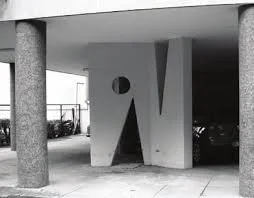
A technical examination of the building typologies. We analyze the T-type, L-type, and V-type blocks, the iconic pilotis (stilts) that lifted buildings to keep the ground plane public, and the specific use of materials like raw concrete and pebble-dash. We also explore the internal logic of the apartments, from the cross-ventilation designs to the inclusion of "service rooms."
Step 04 | Phase 2 & 3: The Scaling of the Utopian Dream
As the project gained popularity, the scale shifted. This section tracks the move into higher-density structures and how the architects adapted their "ideal" models for a growing population. We look at how these phases transitioned from the garden-villas of Phase 1 to a more rigid, monumental urban grid.
Step 05 | The Fluid Border: Coastline, Zoning, and Land-Fill
Ataköy permanently altered Istanbul's relationship with the Sea of Marmara. We examine the original zoning logic and the subsequent "coastal filling" projects. This section analyzes how the construction of the Ataköy Marina and the coastal road shifted the neighborhood from a "resort suburb" to an enclosed urban enclave.
Step 06 | Living in the Grid: The Cultural Lens
How was Ataköy represented in movies, literature, and 1960s advertisements? This step explores the public's perception of the project—how "living in a block" became a status symbol for the elite and how the community evolved from a collection of strangers into a tight-knit, nostalgic society that persists today.
Step 07 | Phases 4, 5 & 6: The Zenith of the Middle-Class Heart
Often considered the "soul" of Ataköy, these phases refined the relationship between commercial centers and residential life. We look at the unique pedestrian-only walkways and the central squares that became the blueprint for modern Turkish neighbourhood life.
Step 08 | The Green Microclimate: Ecological Intent vs. Reality
Did the architects address sustainability? We analyze the passive cooling benefits of the original site layouts compared to the heat-island effects of modern developments. We compare Ataköy’s environmental footprint with international modernist projects like Le Corbusier’s Unité d'Habitation and examine where the project could have been improved.
Step 09 | The Peripheral Phases (7 through 11): Density and Departure
This section covers the final phases, where the original "Garden City" ideology began to give way to modern high-density pressures. We examine the shift in construction speed, material quality, and the increasing detachment from the original master plan’s human scale.
Step 10 | The Metamorphosis: Urban Transformation in 2026
The timeline concludes with the current state of Ataköy. We analyze the "Urban Transformation" (Kentsel Dönüşüm) laws that threaten the original blocks and the rise of "Luxury Mega-Residences" along the shore. We question what remains of the 1955 dream and how these new glass towers compare to the concrete landmarks they are replacing.
The Sea will always remember the architects who, in 1955, drew their lines in the sand. Believing they had conquered the coastline and perfected the horizon. But cities are not static drawings; they are living, breathing, and decaying organisms. Today, the salt air that was meant to heal the residents is the same force slowly reclaiming the rebar within the concrete. Ataköy stands at the edge of the world. A monument to a time when we believed we could out-design nature. As the sea continues to watch the shoreline change from garden villas to glass monoliths, it remains the only witness to the truth: We don’t build cities; we merely borrow the space until the tide comes back in.
Curated by
Luca Beltramo, Faruk Düzyaman, Pelinsu Yardimoglu